Tree Plantation Drive
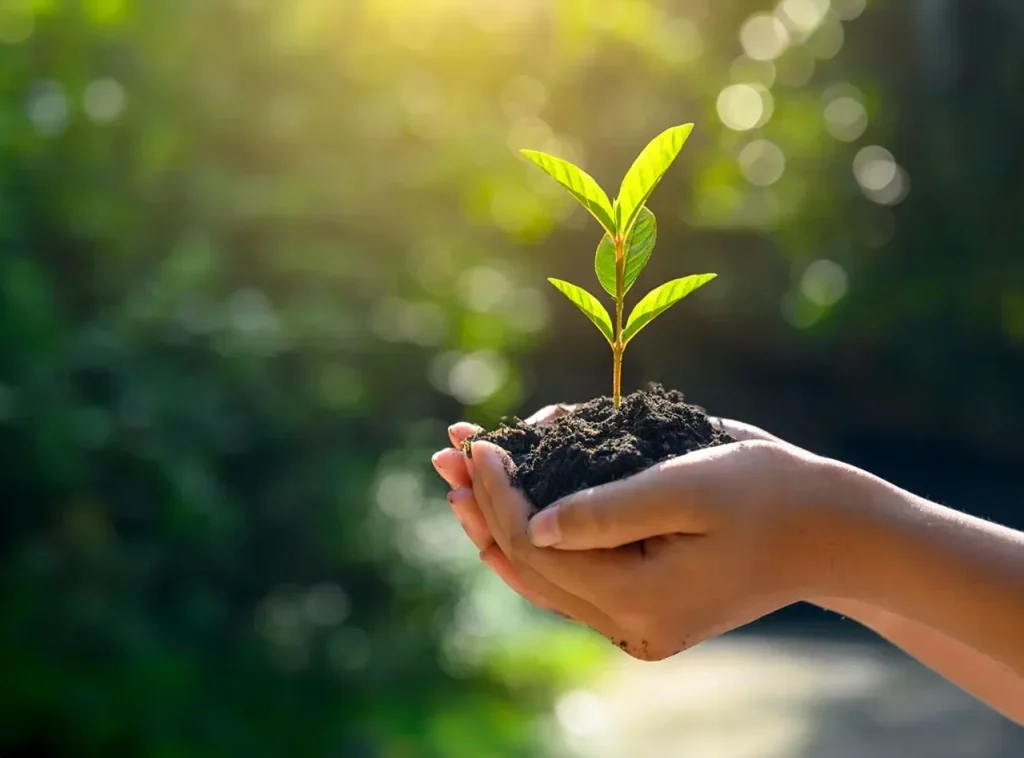
Tree Plantation Drive
Tree planting involves transplanting tree seedlings, usually for forestry, land restoration, or landscaping. Planting trees is essential because they release oxygen and improve air quality. Increasing the number of trees makes the environment safer to live in. Tree plantation also helps reduce pollution, ensuring a better future for the coming generations.
Trees absorb carbon dioxide (CO2) and release oxygen as part of their natural cycle. Planting more trees helps reduce atmospheric CO2, resulting in cleaner air. In addition to improving air quality, trees naturally filter dirty water, contributing to cleaner water sources.
Trees help regulate temperatures, provide habitat for wildlife, prevent soil erosion, and beautify the environment—making the air, water, and soil cleaner and healthier.
A tree plantation drive is an environmental event focused on planting trees to improve air quality, combat climate change, and create green spaces. These drives are organized by various groups like schools, universities, and government bodies and are held in public areas, neighborhoods, and urban centers. The purpose is to promote sustainability, educate the public, and increase tree cover to benefit both the environment and community well-being.
Establishing tree plantations can contribute to improved air quality, making it easier for you to breathe. Forests are vital as they act as the lungs of our nation, producing oxygen and absorbing harmful gases. Increasing tree planting efforts could lead to higher oxygen levels.
Plastic Mukt Abhiyan
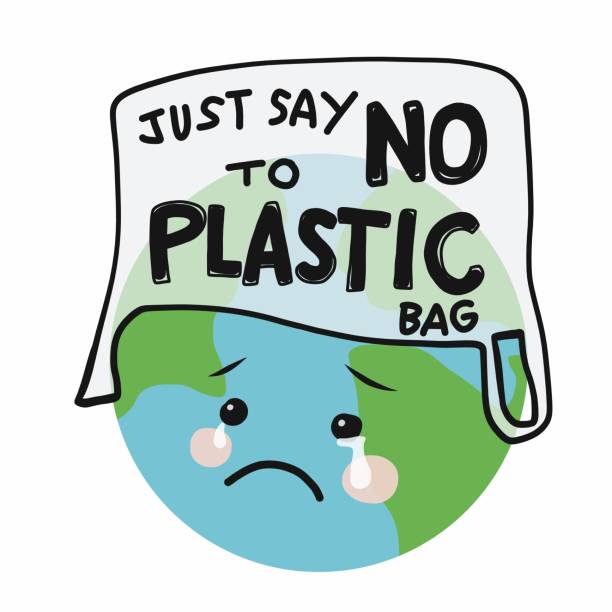
Plastic Mukt Abhiyan (Plastic-Free Campaign)
The “Plastic Mukt Abhiyan” (Plastic-Free Campaign) is a government-led initiative in India to tackle plastic pollution through awareness, alternatives, and recycling. It aims to phase out single-use plastics and promote sustainable habits.
Key actions include banning certain single-use items, increasing the thickness of carry bags to discourage littering, and improving local waste management systems. The Plastic Waste Management Amendment Rules, 2021, prohibit the manufacture, sale, and use of specific single-use plastic items since July 1, 2022.
The campaign also includes awareness activities like beach cleanups, school rallies, and art-from-waste initiatives. The Swachh Bharat Mission supports Gram Panchayats in promoting responsible plastic use and waste segregation.
Plastic is an incredibly useful material that has changed the way we live our lives. It is lightweight, strong, affordable, and can be used to create products that range from medical equipment to toys. With its widespread use, it is important to understand the impact plastic has on our environment.
Be A Part Of The Fight Against Plastic Pollution For World ...Plastic pollution is a major global problem, with a tiny fraction of plastic ever being recycled and most ending up in landfills or the environment. Annual plastic production is over 400 million tons, with over half of it being single-use and a significant portion, an estimated 8 million tons, entering the ocean each year. Plastic pollution harms wildlife through entanglement and ingestion, and it can also break down into microplastics that contaminate water, food, and even our bodies
Waste Segregation Scheme
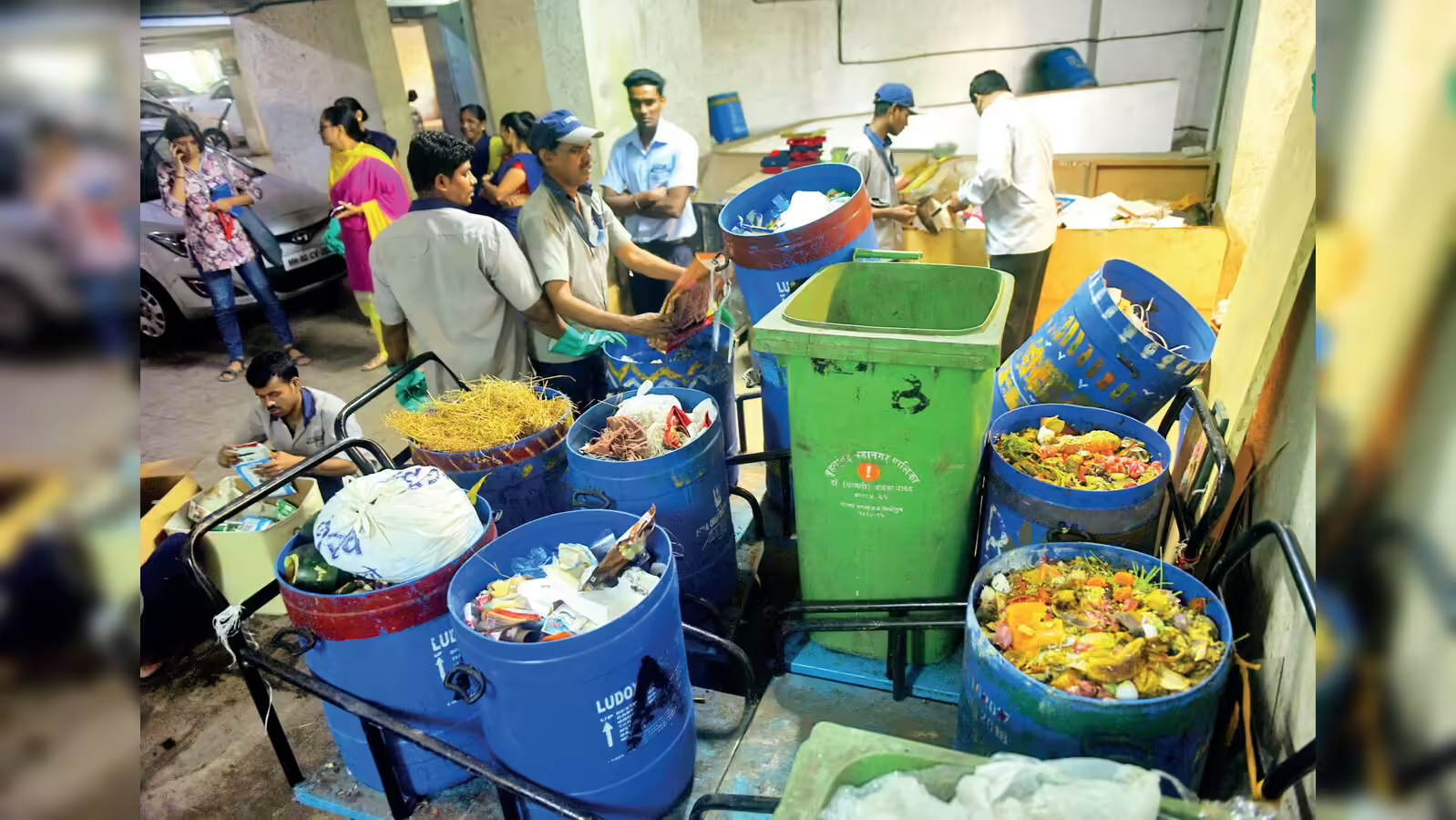
Waste Segregation Scheme
"Kachra Vargikaran Yojana" (Waste Segregation Scheme) is an initiative implemented across India under the broader framework of the Solid Waste Management (SWM) Rules, 2016, and the Swachh Bharat Abhiyan (Clean India Mission). While a single official English PDF document with the specific title "Kachra Vargikaran Yojana" is not widely available online, the scheme's provisions are detailed in the official English PDF documents of the Solid Waste Management Rules, 2016. Key Provisions and Guidelines: Mandatory Source Segregation: Every waste generator (households, institutions, commercial entities, etc.) is legally required to segregate their waste into three separate streams before handing it over to authorised waste collectors.
Key Provisions and Guidelines:
Mandatory Source Segregation: Every waste generator (households, institutions, commercial entities, etc.) is legally required to segregate their waste into three separate streams before handing it over to authorised waste collectors.
Three Waste Streams:
mandatory segregation categories are: Biodegradable (Wet) Waste: Food scraps, garden waste, organic materials, etc., typically collected in a green bin. Non-biodegradable (Dry) Waste: Paper, plastic, glass, metal, rubber, etc., typically collected in a blue bin. Domestic Hazardous Waste: Used batteries, e-waste, expired medicines, sanitary napkins, pesticide containers, etc., often requiring a red bin or specific handling.Rainwater harvesting
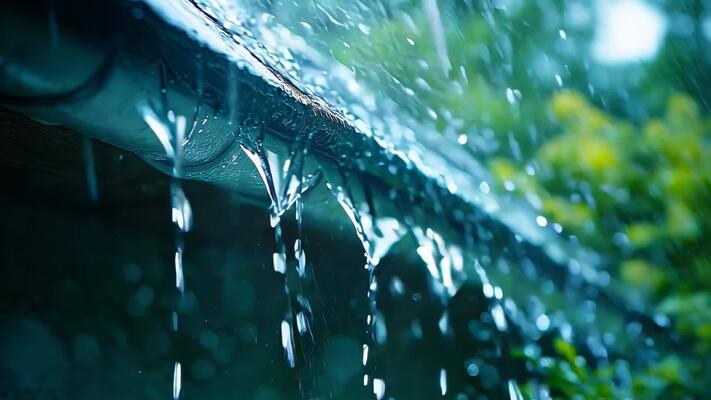
Rainwater harvesting
Rainwater harvesting is one of the simplest and oldest methods of self-supply of water for households, having been used in South Asia and other countries for many thousands of years. Civilizations such as the Romans developed extensive water collection systems, including aqueducts and rooftop channels, which laid the groundwork for many of the modern gutter-based systems still in use today. Installations can be designed for different scales, including households, neighborhoods, and communities, and can also serve institutions such as schools, hospitals, and other public facilities.
Collection system:Roof surface and gutters to capture the rainwater and send it to the storage system
Inlet filter: Screen filter to catch large debris
First flush diverter: Diverter that removes debris not captured by the inlet filter from the initial stream of rainwater
Storage tank: Storage tanks composed of food-grade polyester resin material approved by the U.S. Food and Drug Administration (FDA), which is green in color and helps to reduce bacterial growth
Overflow:Drainage spout that allows for overflow if the storage tank gets full
Controls: Control system that monitors water level and filtration system
Solar Energy Scheme
Solar Energy Scheme
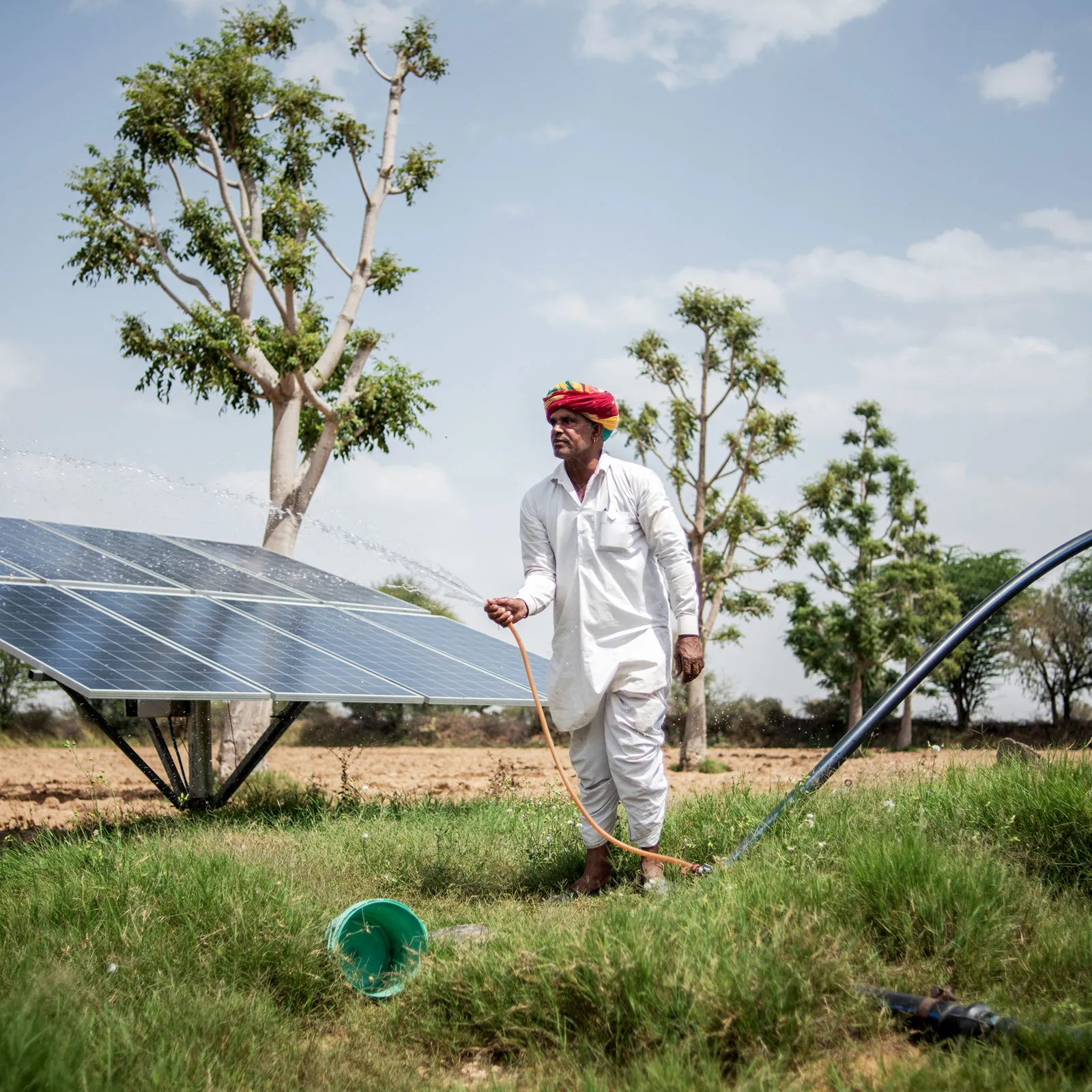
PM Surya Ghar: Muft Bijli Yojana is a government scheme that aims to provide free electricity to households in India. The scheme was launched by Prime Minister Narendra Modi on February 15, 2024. Under the scheme, households will be provided with a subsidy to install solar panels on their roofs. The subsidy will cover up to 40% of the cost of the solar panels. The scheme is expected to benefit 1 crore households across India. It is estimated that the scheme will save the government Rs. 75,000 crore per year in electricity costs..
The benefits of the scheme include:
1. Free electricity for households.
2. Reduced electricity costs for the government.
3. Increased use of renewable energy.
4. Reduced carbon emissions..
Eligibility
1. The household must be an Indian citizen.
2. The household must own a house with a roof that is suitable for installing solar panels
3. The household must have a valid electricity connection.
4. The household must not have availed any other subsidy for solar panels.
Water Conservation
Water Conservation
Water conservation refers to the practise of maximising the use of water while minimising waste. Water conservation is even more important now that there is a limited supply of freshwater that is beneficial to all humans for a healthy lifestyle. The amount of freshwater available for consumption is unequally distributed. Human activities are polluting water sources, putting the survival of living creatures in jeopardy. As a result, water conservation is based on the principle of “save water, save a life.”
It should come as no surprise that water is one of the most important elements for any life form on Earth’s surface to survive. The presence of water distinguishes Earth from all other planets. The importance of maintaining a constant flow of water stems from the fact that it is necessary for the survival of all flora and fauna on the planet.
Water Conservation: When not in use, turn off the faucets. Water can be saved by using efficient home appliances such as washing machines and dishwashers. Even if you don’t have the appliances, make sure you’re not wasting water when you’re washing dishes or clothes
Don’t Wash Down Garbage: Avoid washing down small pieces of trash that require a lot of water to flush down the drain. Always, always, always, always, always, always, always, always, always, always, always
Check for Leaks: If left unattended, leaks can result in significant water loss. Check for leaks in the faucet, taps, and pipes on a regular basis. If you don’t turn the tap all the way off, the water will keep dripping. stream of rainwater
Green Score board
Green Score board
A "Green Score board" for tree count information generally refers to systems or initiatives that use visual displays or data platforms to track and present metrics related to urban greenery or environmental projects, often focusing on the number of trees.
Common Contexts for "Green Score Board"
Environmental Initiatives in Sports:
In the Indian Premier League (IPL) cricket tournament, the official scoreboard displays a green tree symbol for every "dot ball" bowled (a ball from which no runs are scored).
Sustainability Ratings:
Some companies use an internal "Green Score" to rate the sustainability of their products, using a leaf system (more leaves, darker green, higher score) based on raw material, production, and waste disposal.
How Tree Count Information is Used
Monitoring environmental health:
Tracking changes in species composition, evaluating growth patterns, and assessing forest recovery after disturbances.
Carbon sequestration and climate change studies:
Providing data for research on a forest's ability to absorb CO2.
Adopt a Tree
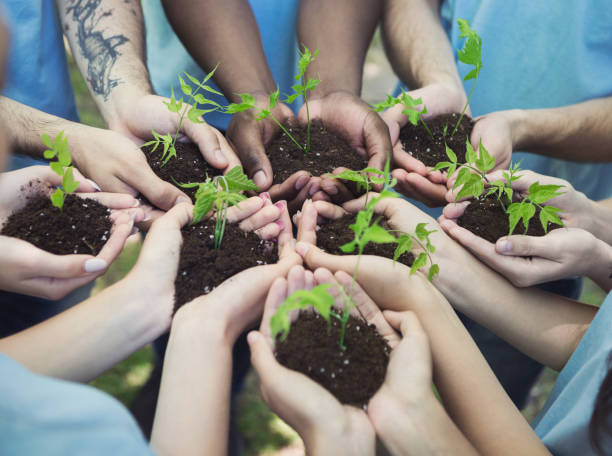
Adopt a Tree(Facility to sponsor and monitor trees by citizens)
Citizen monitoring of "adopt a tree" programs involves volunteers actively tracking the health and growth of specific trees, with observations often contributing to scientific research. These programs are often run by NGOs, local government bodies, and educational institutions, and they leverage technology like mobile apps for data collection.
Programs and Initiatives
Sponsorship and Maintenance: Citizens, resident welfare associations, and corporations can sponsor trees through initiatives run by local municipal corporations (like the Pune Municipal Corporation (PMC) in India or the "Für eine Baumstarke Stadt" project in Leipzig).
NGO-led Platforms: NGOs such as SankalpTaru Foundation, SayTrees, and People's Planet provide platforms where individuals can sponsor trees online.
Monitoring Facilities
Geo-tagging and QR Codes: Many initiatives use geo-tagging to record the exact location of each planted tree. The information, sometimes accessible via a unique QR code, is uploaded to a server or online platform.
Mobile Applications:Tech-enabled platforms and apps allow users to track their tree's journey with satellite updates and receive progress reports, ensuring transparency and ongoing engagement.
Agriculture and livelihood
Agriculture and livelihood
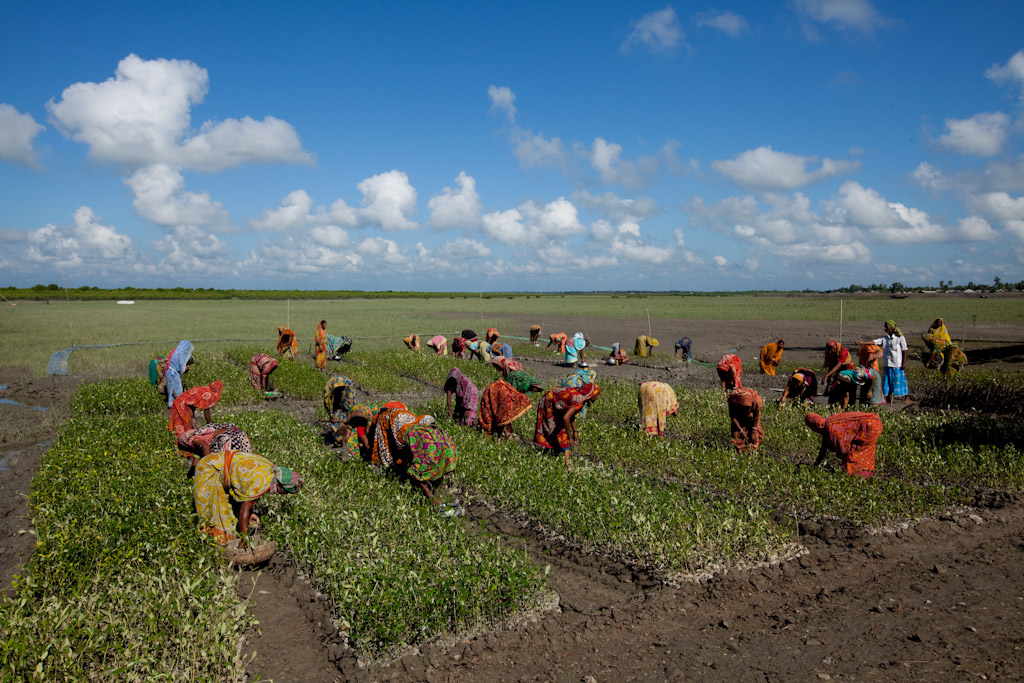
Agriculture is a primary source of livelihood for many, especially in developing countries, but it faces challenges like climate change and lack of modern technology.To improve livelihoods, people can diversify into other agro-based or non-farm sectors, adopt sustainable farming practices, and utilize government support schemes and new technologies.
Agriculture is a primary source of livelihood, providing employment and income for a large portion of the world's population, especially in rural areas. It supports economies through the production of food and raw materials, contributes to GDP, and generates opportunities in related sectors like food processing and industry.
Agriculture's role in livelihood:
Employment and income:Agriculture provides a primary source of employment and income for a significant percentage of the global population, particularly in rural areas.
Food security: It plays a crucial role in ensuring food security for communities and nations.
Factors affecting agricultural livelihoods
Weather: Livelihoods are highly dependent on weather conditions, and climate variability can cause crop loss and financial hardship.
Economic vulnerability:A poor harvest can have devastating consequences for farmers, highlighting the need for alternative income sources.
Crop advisory and weather updates
Crop advisory and weather updates
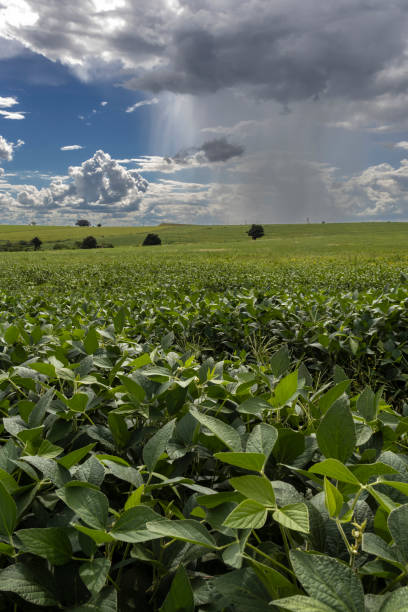
Weather-based agro-advisory services (WBAAS) provide farmers with location-specific weather forecasts and guidance to help them make informed decisions about agricultural practices. These services combine weather data with crop and soil information to offer recommendations on activities like sowing, irrigation, and pest management, helping to reduce crop losses and improve yield.
The main sources for official weather-based agro-advisories in India include
Meghdoot App: Launched by the Ministry of Earth Sciences, this mobile app provides farmers with access to district-specific weather information and related agromet advisories. It is available for both Android and iOS devices.
Kisan Suvidha App: Launched by the Ministry of Agriculture & Farmers Welfare, this app also offers access to weather details and agromet advisories, among other agricultural information.
Types of Advisories Provided
Agronomic management: Advice on optimal sowing times, irrigation scheduling, and fertilizer application.
Harvesting and post-harvest strategies:Guidance on when to harvest to avoid losses due to unseasonal rain or extreme weather events.
Farmers Success Stories
Farmers Success Stories
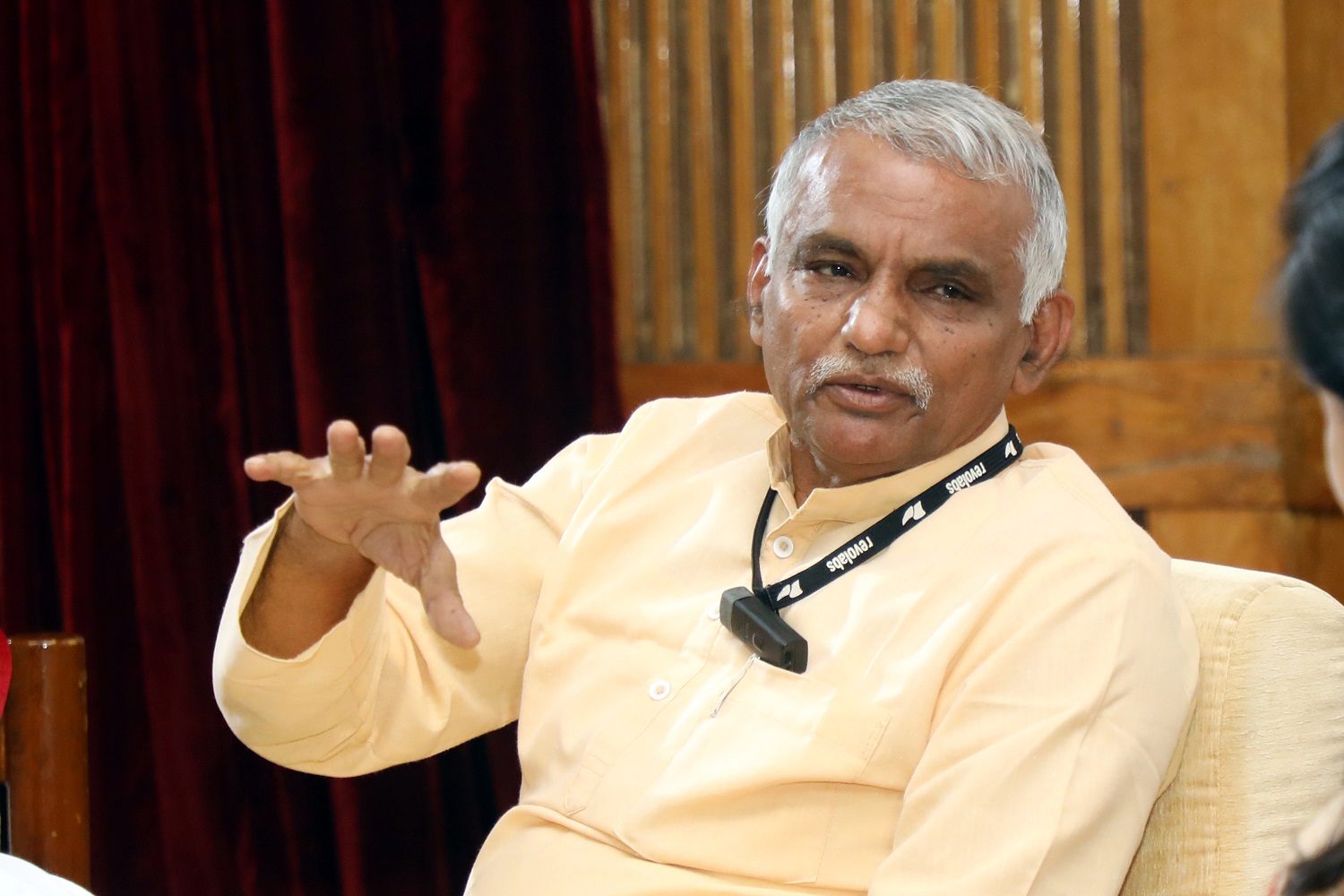
Dr. Prakash Amte's work with tribal communities includes a significant initiative where he taught traditional hunters to become farmers, providing them with the knowledge and means for a sustainable livelihood. This "success story" is part of his broader effort to ensure the tribal people had reliable access to food and self-sufficiency, moving away from hunting as their primary source of sustenance.
The Farming Initiative at Hemalkasa
Prakash and his wife, Dr. Mandakini Amte, established the Lok Biradari Prakalp (LBP) in Hemalkasa in 1973 to provide healthcare, education, and development for the Madia Gond tribal people in the forests of the Gadchirolli district.
A major component of this project was introducing and teaching rudimentary agricultural training facilities. The Amtes realized that a hospital alone was not enough; to ensure the patients could take the prescribed medicine after meals, they first had to ensure the tribals had access to regular meals.
Their efforts involved:
Providing farming education and crop production techniques.
Making the community aware of public welfare schemes and their rights.
Turning hunters into settled farmers who could sustain themselves through agriculture.
Market Rates and Production Information
Market Rates and Production Information
"Market rates and production information" are broad terms that vary significantly by industry or product. To provide specific information, please clarify what product, commodity, or industry you are interested in (e.g., agricultural products, energy, manufacturing).
Production involves using factors of production (land, labor, capital, and entrepreneurship) to create goods and services.
General Sources for Market Rates and Production Data
General market rates are determined by supply and demand, while production information relates to the volume of goods produced over a given time.
Government Agencies and International Organizations: These sources often provide extensive, reliable, and publicly available reports and data on production volumes, prices, and related statistics.
Industry-Specific Publications and Trade Associations: These often offer supply and demand trends, but rarely exact prices.
Financial News Outlets and Data Providers: These sources are useful for real-time and historical commodity prices (e.g., oil, gold, agricultural futures).