Village Infrastructure And Facilities
Water Supply and Cleanliness
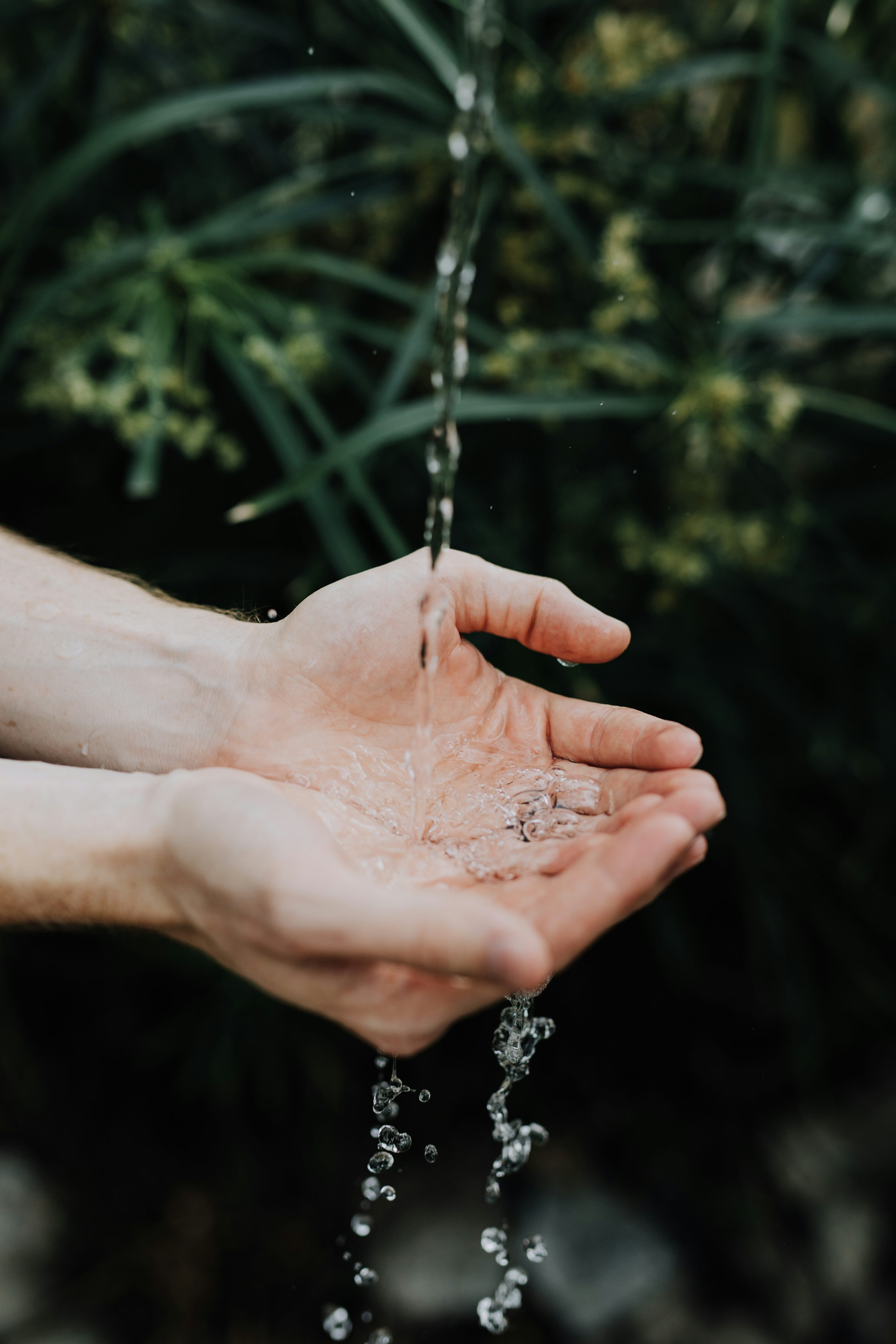
Water supply and cleanliness are critical for public health, yet billions of people globally still lack access to safely managed drinking water and basic sanitation. Key challenges include contamination, lack of infrastructure, and unequal access, particularly in developing regions. Effective solutions involve providing clean water sources, proper waste management, and promoting hygiene education like handwashing.
Importance of clean water
Economic impact: Safe water is fundamental to a healthy economy, with waterborne diseases costing millions annually.
Sustainable development: Access to clean water and sanitation is a key part of the United Nations' Sustainable Development Goal 6, essential for poverty reduction, economic growth, and public health.
Roads and Street Lights
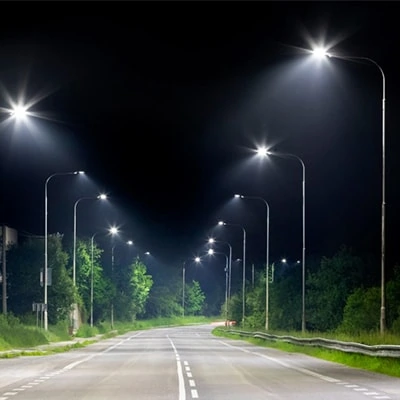
Road and street lights are essential for public safety, improving visibility for drivers and pedestrians and reducing accidents. Modern systems are increasingly using energy-efficient LED technology, which has a much longer lifespan than older high-pressure sodium lamps. Smart lighting systems are also emerging, which use sensors and automation to adjust brightness based on real-time needs.
Components of a street lighting system:
Structural system: This includes the physical structures that hold the light, such as poles and their foundations.
Optical system:This refers to the luminaire (the light fixture) itself.
Electrical system:This includes the components that power the light, such as the lamp, ballast, and service cabinets.
School ,Preschool Centre , Health Centre
School
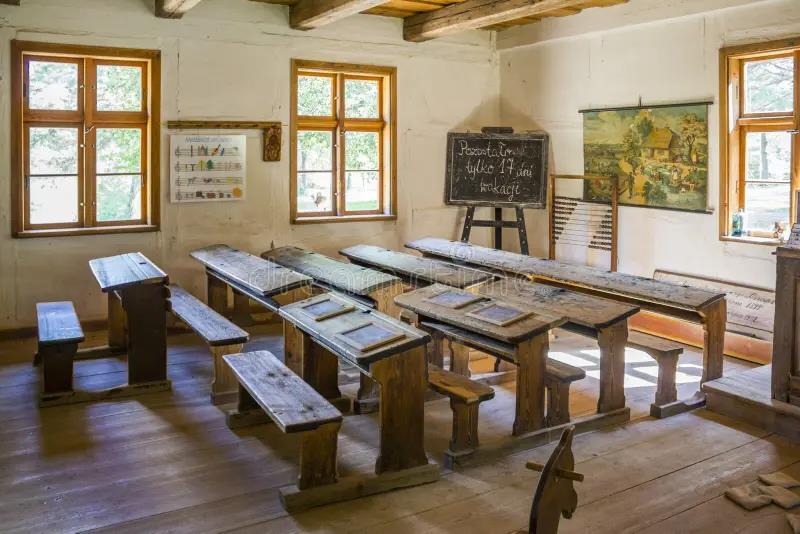
Services for schools include a wide range of areas, from administrative and management functions like regulatory compliance and human resources, to student-focused support like counseling and academic support. Other key services involve educational and curriculum development, teacher training and professional development, and infrastructure and technology implementation.
Educational and student-focused:
Curriculum development: Designing academic, co-curricular, and extracurricular curricula.
Teaching and learning: Implementing interactive and project-based learning, and providing advanced tools and training for teachers.
Infrastructure and technology
Infrastructure management: Planning, developing, and managing existing and new infrastructure, including transportation.
ICT implementation: Integrating technology and ICT solutions into the learning environment.
Preschool
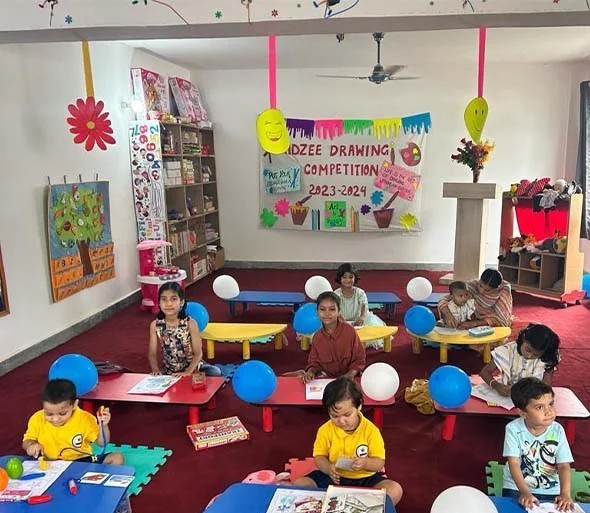
Preschool is an early childhood education program for children aged 2-6 that focuses on social, emotional, and cognitive development through play and guided activities. It prepares children for formal schooling by building skills like communication, confidence, and problem-solving through play-based learning, storytelling, and interaction with peers and teachers. The goal is holistic development, creating a foundation for lifelong learning in a structured, yet stimulating, environment.
Key benefits of preschool
Social and Emotional Growth:Children learn to build trusting relationships with adults and peers, and develop vital social skills.
Communication Skills: Constant interaction with peers and teachers helps children enhance their vocabulary and express themselves more effectively.
Smooth Transition: Preschool provides a gentle transition into formal schooling by introducing children to a structured learning environment

Health Center
A health center is a local clinic that provides a range of medical, dental, mental health, and other health-related services, often focusing on community-based care. These centers can vary in type, from government-run Primary Health Centers (PHCs) which offer basic, primary care to rural and urban populations, to Community Health Centers (CHCs) that act as referral centers for PHCs and provide specialized care.
General Health Centers
Function:A broad term for clinics offering a wide range of health services to the community.
Services: Can include family practice, dental care, pediatrics, women's health, and mental health services.
Cost: Many are designed to be affordable, with fees often based on income and family size.
ICT implementation: Integrating technology and ICT solutions into the learning environment.
Library ,Playgrounds, Self-Help Center
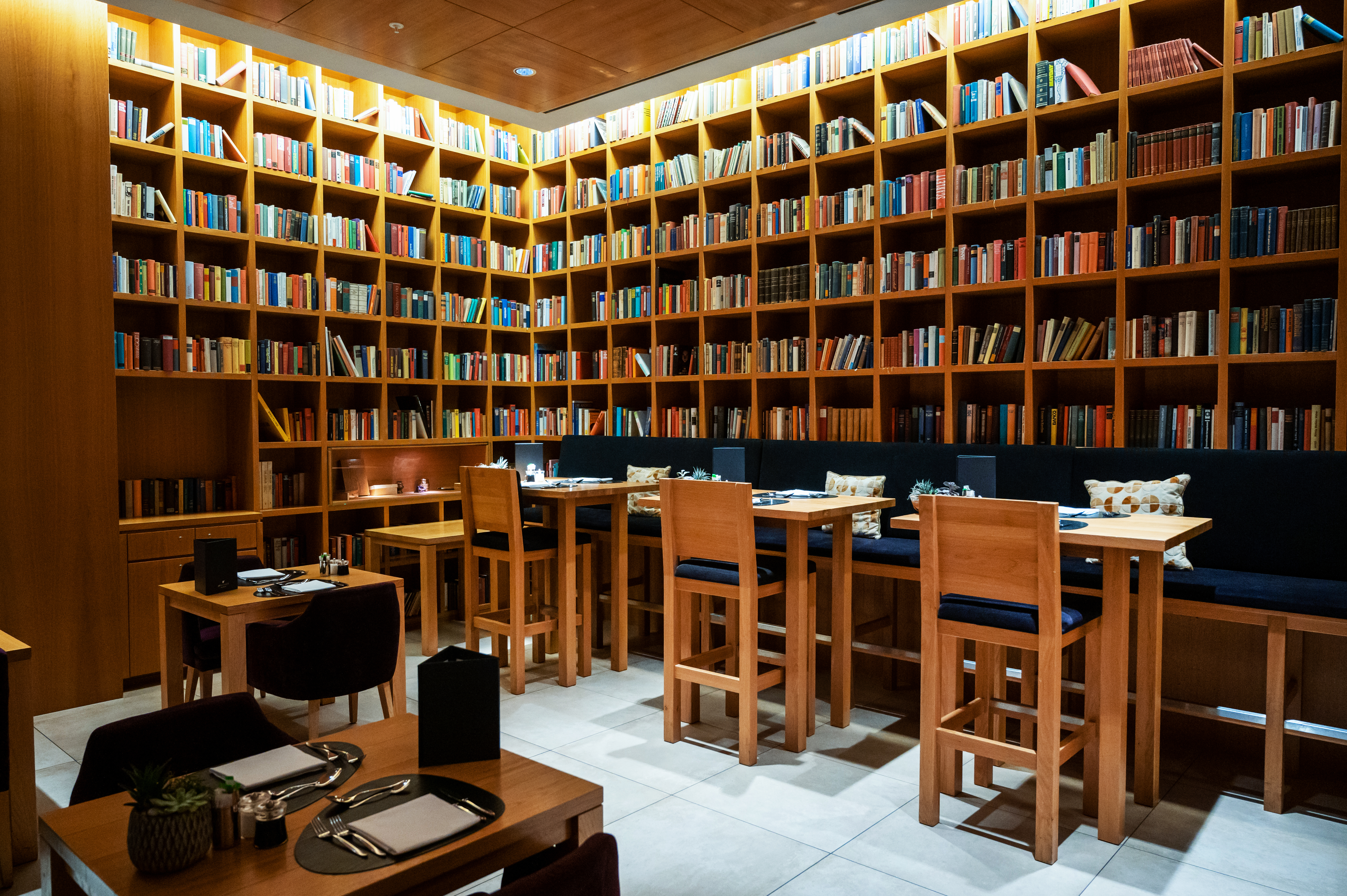
Library
A library is a collection of information and resources, such as books, journals, and digital materials, that is organized for public use, reference, or borrowing. Libraries serve as a place for education, study, and research, while also providing cultural preservation and access to recreational media like films and music. Their collections can be physical, digital, or both, and they are maintained by librarians to help users find and use the resources effectively.
Key functions and services:
Access to information: Libraries provide access to a vast range of information in various formats, including books, newspapers, magazines, e-books, and databases.
Learning and education: They support education by providing resources for students and a quiet space for study, helping to develop reading and study habits.
Types of libraries
Public libraries:These are community-based libraries that are open to the public and provide a wide range of services and resources for all ages.
Academic libraries: Found in colleges and universities, these libraries support the educational and research needs of students and faculty.
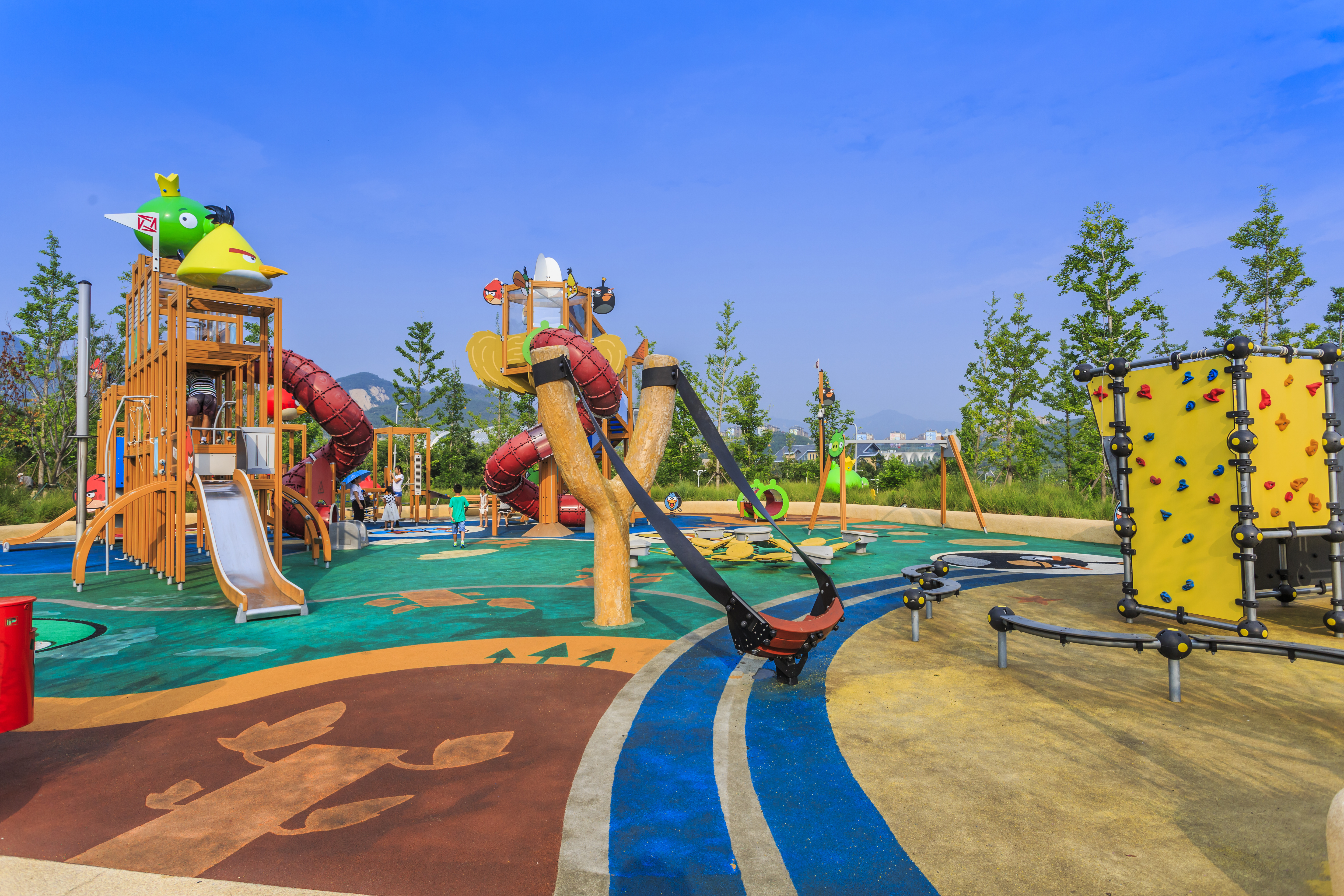
Playgrounds
A playground is a dedicated area, usually outdoors, designed for children to play, featuring equipment like swings and slides. Beyond children's play areas, the term can also refer to any place where a specific group enjoys themselves, such as a mountain for skiers, or it can be used metaphorically to describe a space for creativity. Playgrounds are important for child development, promoting physical, social, and cognitive skills through structured and unstructured play.
For children
Purpose:To provide a fun and safe environment for children to be active and imaginative.
Equipment: Typically includes swings, slides, climbing structures, and sometimes playhouses.
Benefits: Children can develop important skills like coordination, decision-making, and problem-solving.
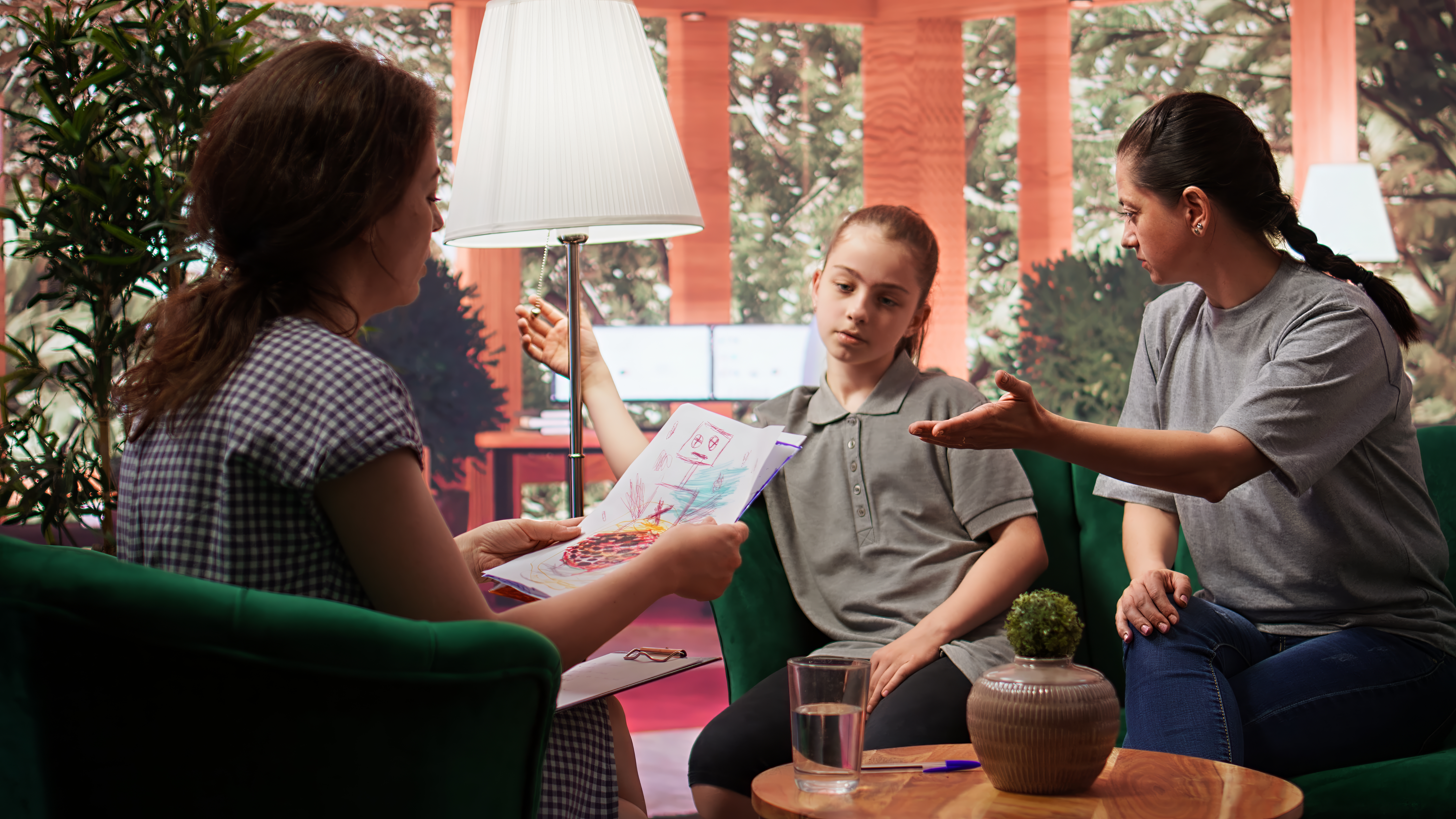
Self-Help Center
These centers offer information and forms for individuals representing themselves in legal matters (self-represented litigants). They cannot provide legal advice, but they offer general guidance on court processes.
How to Find and Use Them
State Court Websites:Many state court systems maintain self-help websites with forms, guides, and resources. For example, the California Courts Self-Help Guide provides information on various case types, and the Texas Courts website offers similar information and videos.
Contact Options:Services are often available via in-person visits, email, telephone helplines, or text messaging.
In-Person Visits: Check your local Superior Court's website for specific hours and appointment information, as long wait times may be common.
Bus-Stands , Contact Facility
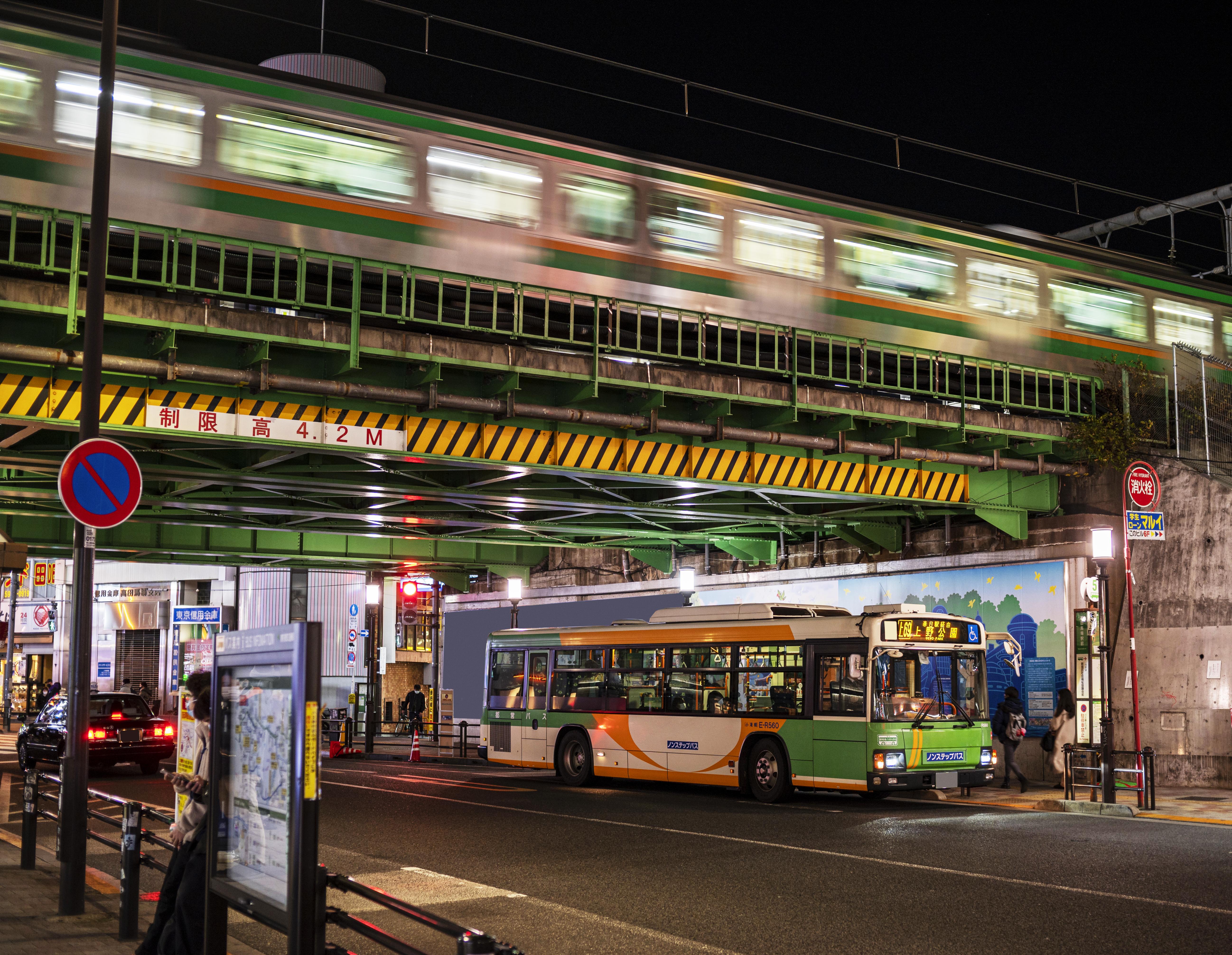
Bus-Stands
A bus stand is a designated area where buses stop for passengers to board and alight. This can range from a simple roadside marker to a large, covered station with amenities like seating and information systems. To get specific information, you can visit a local bus station, consult the Maharashtra State Road Transport Corporation (MSRTC) website for depot contacts, or use a third-party service like Justdial for details on local depots.
Types of bus stands:
Bus stop: A simple, often roadside location where buses stop for passengers.
Bus stand/station:A larger facility that can include shelters, seating, and electronic information systems for passengers.
Bus depot: A maintenance and storage facility, but also serves as a primary bus terminal.

Contact Facility
To find contact facility information, search for the specific facility's name or type (e.g., "hospital," "store," "office") online to find its phone number, email, and physical address. For a government or public health facility, you may need to search a specific government registry like the Indian Health Facility Registry, as outlined in sources like this YouTube video.
For any business or organization
Use a search engine: Search for the facility's name to find its official website or directory listings, which will provide contact details.
Look for a "Contact Us" page:Most websites have a dedicated page with contact information and/or a contact form.
Check business directories: Online directories like Google Maps, Yelp, or others can provide location, phone number, and hours.
Health Camps ,Vaccination Campaign
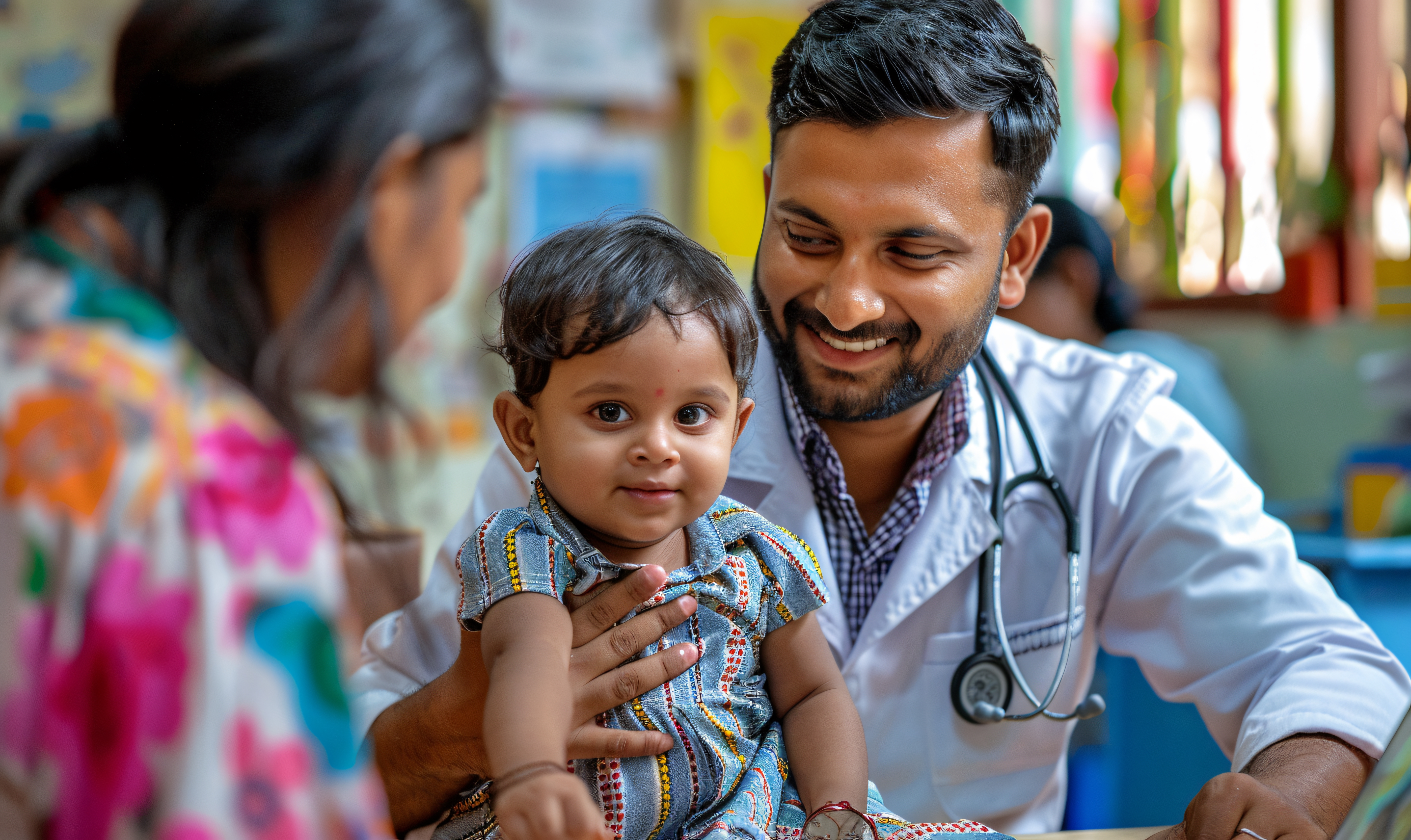
Health Camps
Health camps are events where medical professionals provide health services, screenings, and awareness to a community, often at a reduced cost or for free. They are organized by both government and private entities to bring healthcare to underserved or remote areas, promote preventive care, and identify individuals for specific health programs.
Key information about health camps:
Purpose: To provide healthcare services to people who cannot easily access them otherwise. To promote preventive health check-ups and raise health awareness. To identify beneficiaries for government health schemes.
Services:General health check-ups. Specialized screenings like eye, dental, and cardiac (ECG). Basic laboratory tests (e.g., blood tests). Health and nutrition education. Women's health screenings (e.g., Pap smears, breast exams) and men's screenings (e.g., PSA) are sometimes offered.
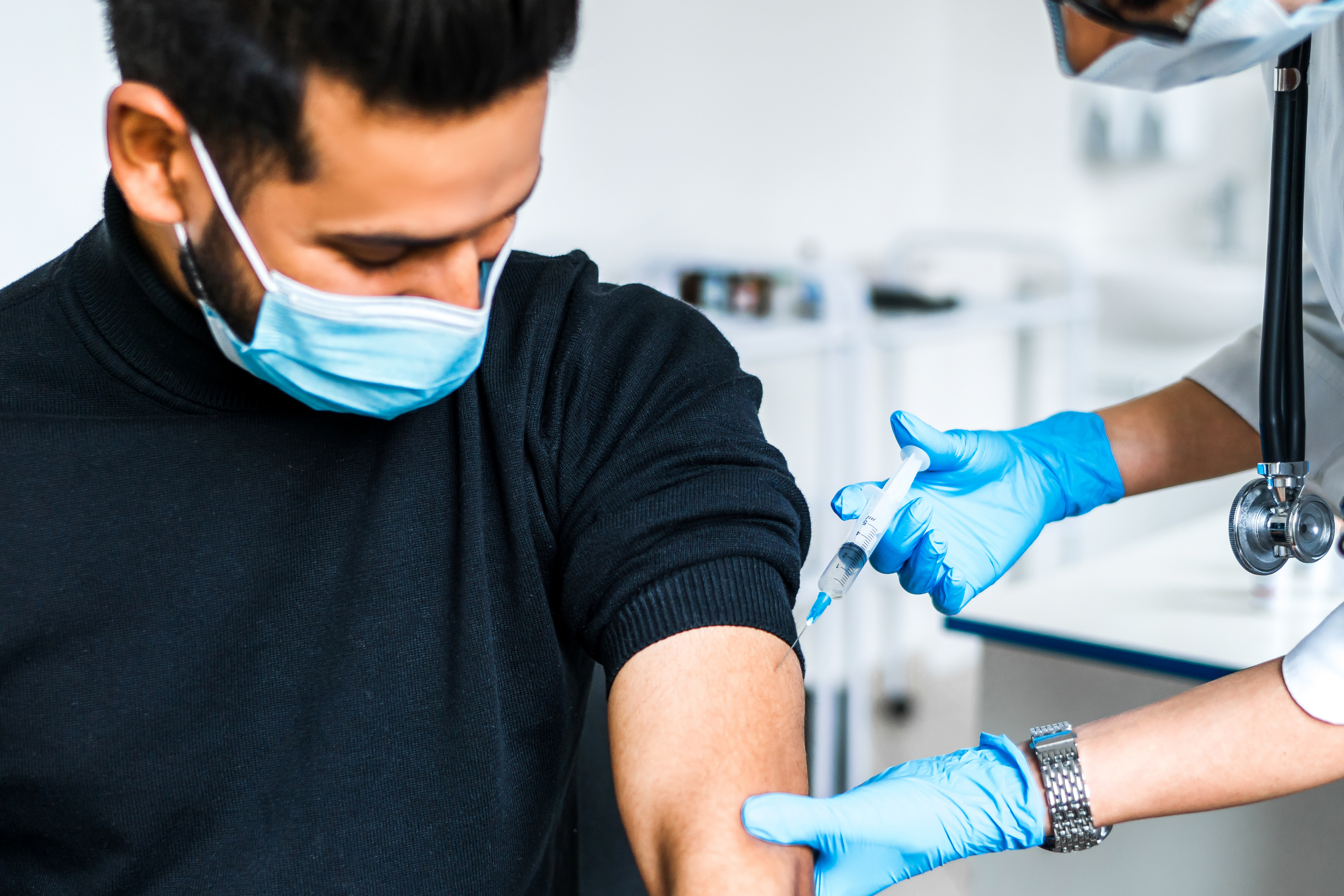
Vaccination Campaign
Vaccination campaigns are organized efforts to deliver vaccines to a population, either through routine weekly sessions, national campaigns to achieve specific goals like disease elimination, or supplementary campaigns to reach unvaccinated individuals.
Types of vaccination campaigns:
Routine immunization sessions:Regular, weekly sessions in rural and urban areas to vaccinate children and pregnant women.
Supplementary Immunization Activities (SIAs): Supplementary Immunization Activities (SIAs):
Mass vaccination campaigns:Campaigns conducted during outbreaks to vaccinate as many appropriate people as possible in a short period.