Festival of Villages
A vibrant celebration of rural life, folk arts, harvest fairs, and village traditions from across Maharashtra. Key festivals include Ganesh Chaturthi, Gudi Padwa, Diwali, Makar Sankranti, Janmashtami, Shiv Jayanti, and Holi.
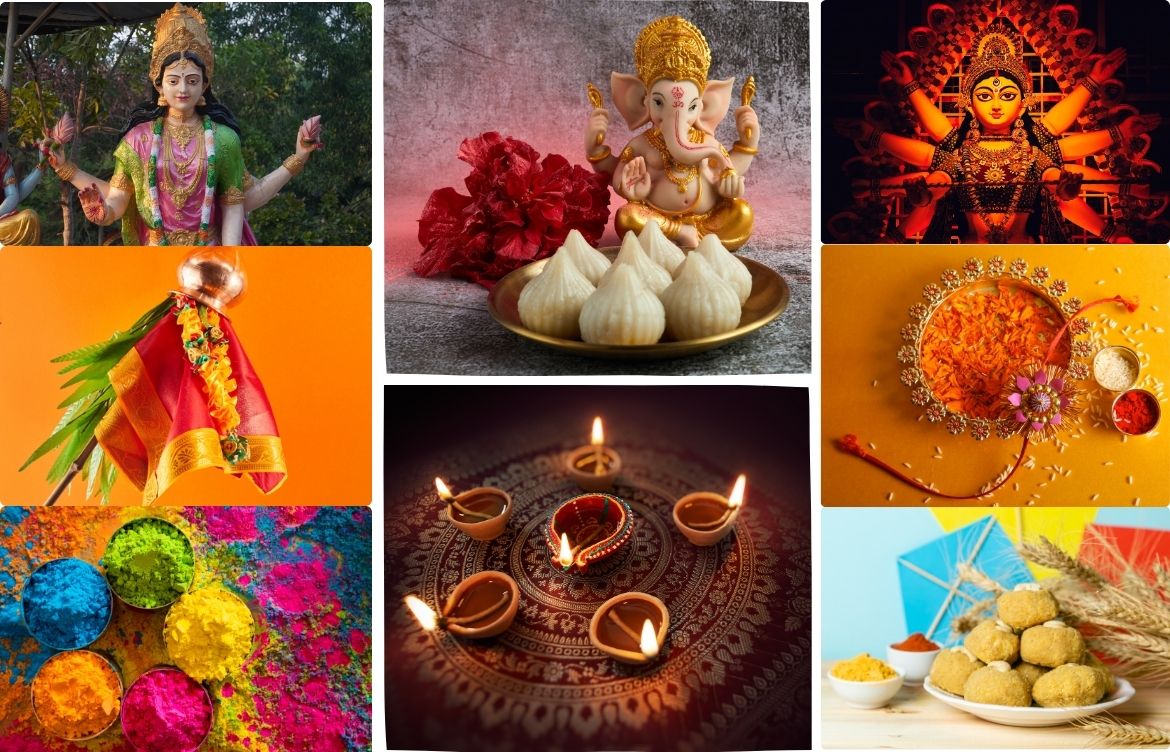
A vibrant celebration of rural life, folk arts, harvest fairs, and village traditions from across Maharashtra. Key festivals include Ganesh Chaturthi, Gudi Padwa, Diwali, Makar Sankranti, Janmashtami, Shiv Jayanti, and Holi.
Taklibawadi village, locally known as “Sainik-Taklibawadi,” is renowned for its strong military tradition and disciplined culture.
The village offers essential facilities including temples, schools, playgrounds, a community hall, dairy center, and Gram Panchayat office.
Taklibawadi is known as a “Temple Village” due to its spiritual environment and active community participation in cultural events.
Total Population: 3,581 (Census 2011)
Male: 1,823 Female: 1,758
Scheduled Castes: 166
Scheduled Tribes: 133
Age Group 0–6: 347
Literacy Rate: Male 84.40% | Female 69.44% | Total 76.06%
Total 7 Primary Schools and 1 High School (Saraswati High School).
Anganwadi Centers: 4
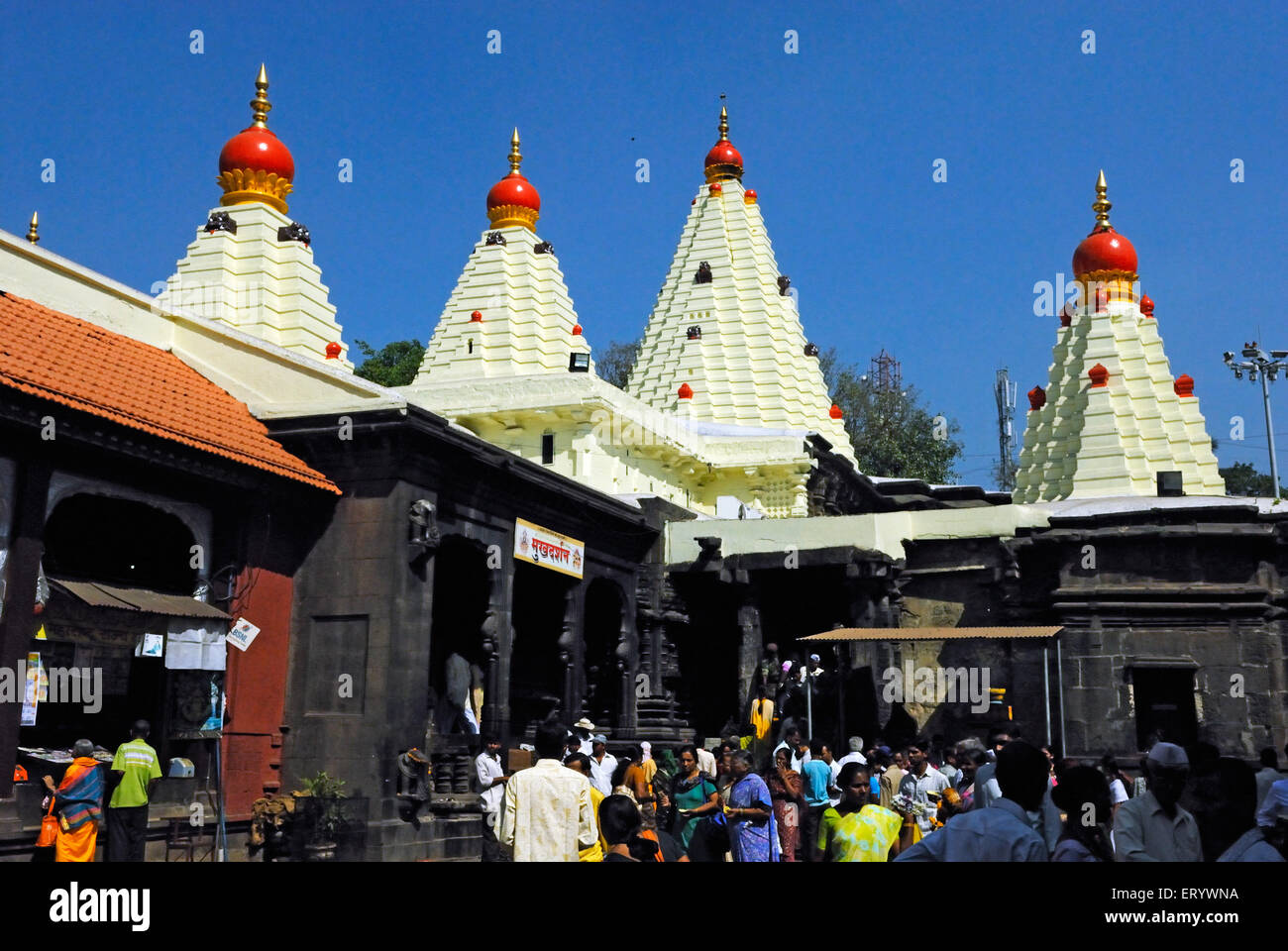
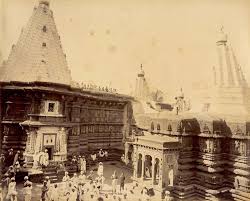
The Mahalaxmi Temple in Kolhapur, also known as the Ambabai Temple, is an ancient and significant site dedicated to Goddess Mahalaxmi. Built during the Chalukya reign around 700 AD, its architecture features intricate carvings from that era. The temple is considered a major Shakti Peetha, and the main idol of the goddess is made of gemstone.
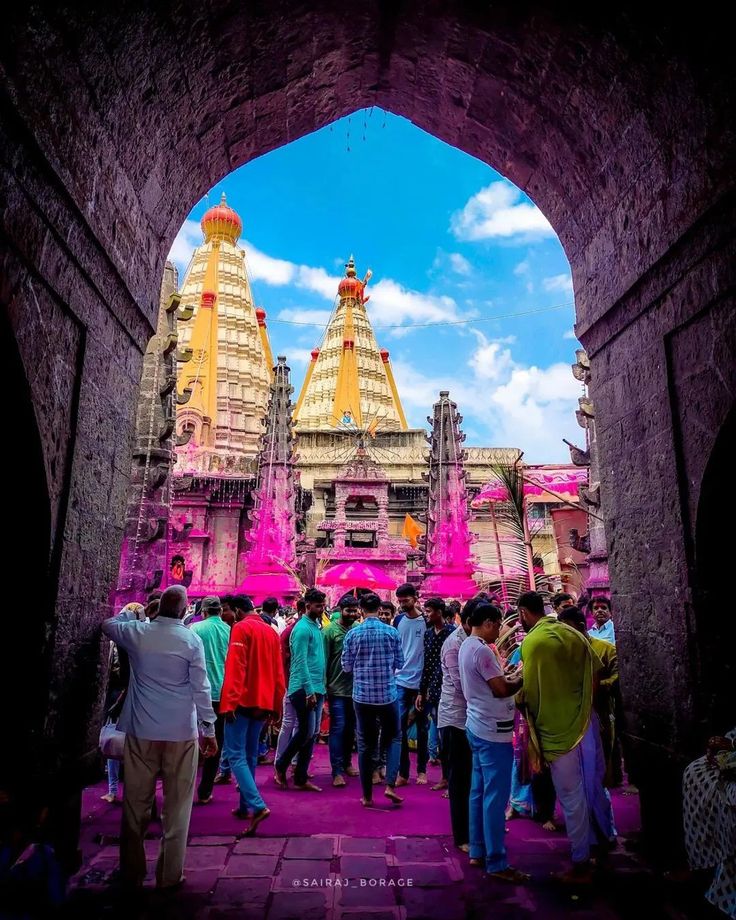
Jyotiba Temple is a prominent Hindu pilgrimage site in Maharashtra, located about 18–20 km northwest of Kolhapur. According to legend, it was built to vanquish the demon Ratnasur and is dedicated to Lord Jyotiba, considered the brother of Goddess Mahalaxmi. The temple is famous for its unique tradition of devotees offering gulal (pink powder) to the deity and for the annual Chaitra Purnima fair.
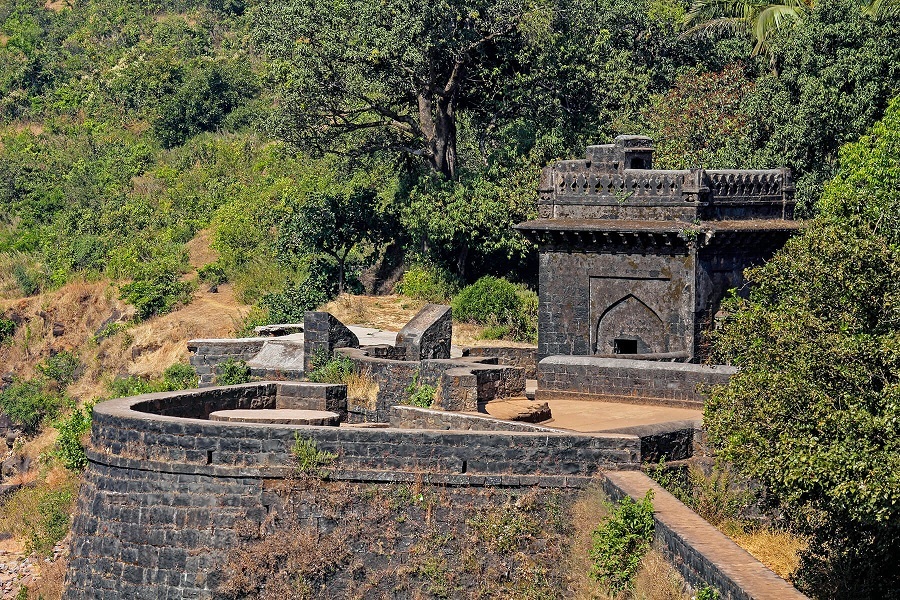
Panhala Fort is a historic fort located in the Kolhapur district of Maharashtra, India, known for its impressive architecture and role in the Maratha Empire, particularly during the time of Shivaji Maharaj. Built by the Shilahara dynasty in the 12th century, it's situated on the Sahyadris and has a 14 km perimeter with 110 lookout posts. The fort is a popular tourist destination due to its historical significance and offers panoramic views of the surrounding landscape.
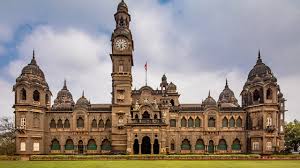
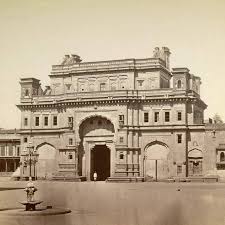
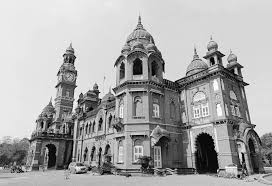
The New Palace in Kolhapur, also known as the Chhatrapati Shahu Palace, is a historic landmark built between 1877 and 1884 in a unique eight-angled design with a central tower. The palace is built of black polished stone and houses the Shahaji Chhatrapati Museum on its ground floor, showcasing royal artifacts while the upper floors are still the residence of the current Maharaja.
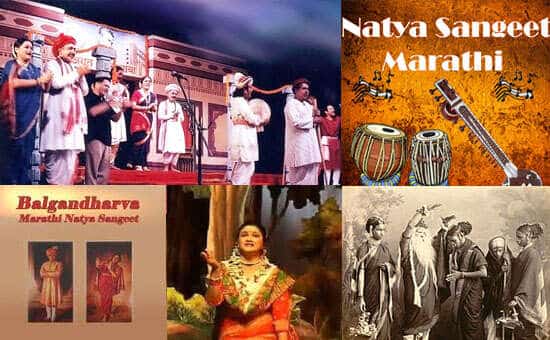
Witness lively Lavani, Tamasha and traditional folk acts from Maharashtrian villages. Folk culture includes diverse dances like Lavani, Koli, and Powada. The music is often accompanied by these dances and includes genres such as Tamasha and Gondhal, enjoyed during festivals and social gatherings.
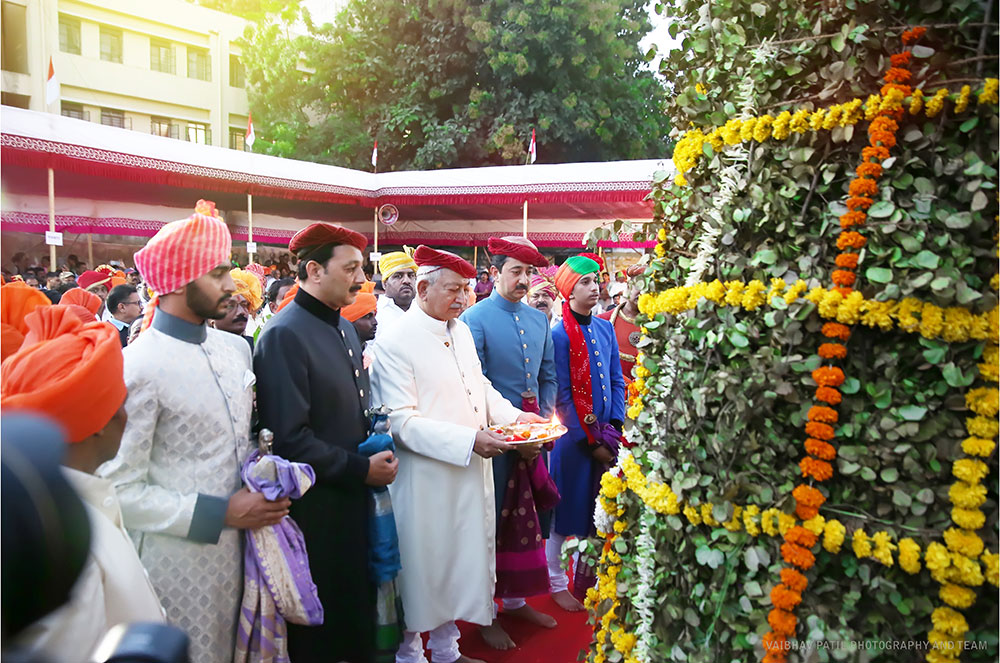
Kolhapur's Dussehra, the Royal Dasara, features grand processions with the royal family, decorated elephants and horses, and Maratha warrior recreations. It culminates in rituals at Dasara Chowk, including Shastra Puja and ceremonial worship of the Apta tree.
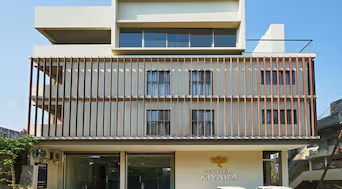
Dwarka Yatri Niwas in Kolhapur is a hostel offering comfortable shared accommodation, free parking, and shared bathrooms. Located <1 km from Rankala Lake and 3 km from Kolhapur Railway Station. Staff speak English and Hindi.
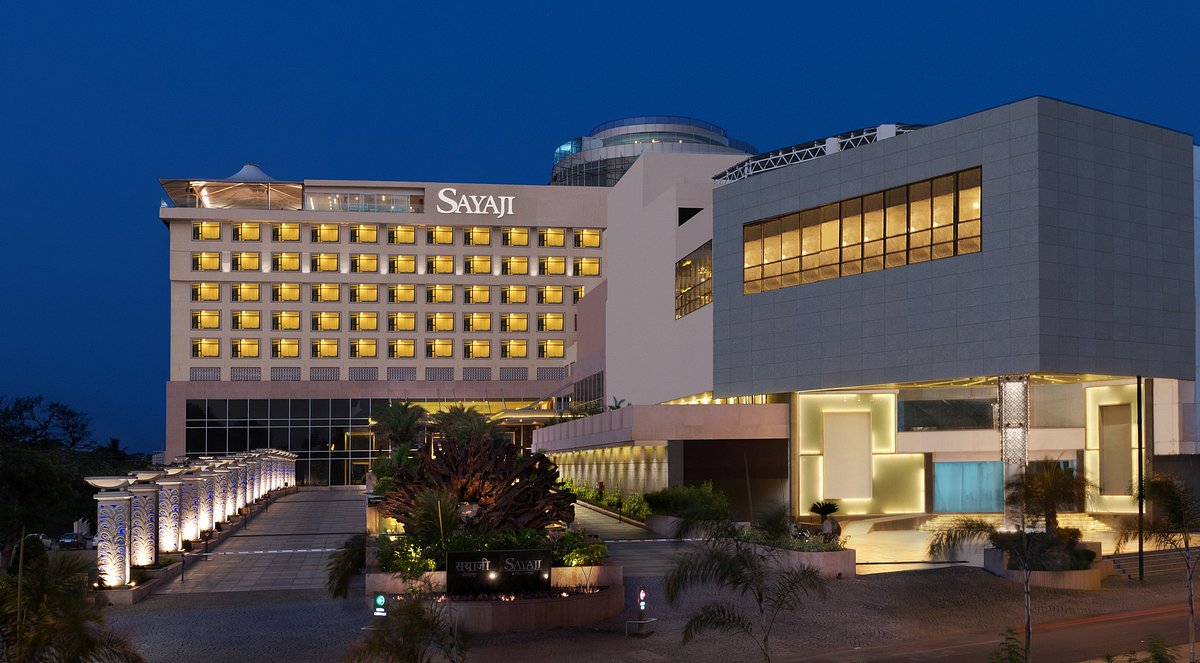
Sayaji Hotel is a 5-star business hotel with modern amenities, spacious rooms, swimming pool, multiple dining options, rooftop restaurants, gym, and a location near shopping malls.
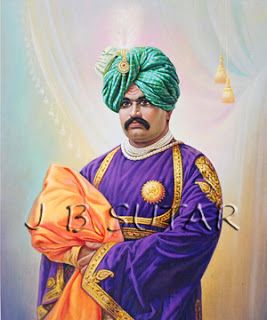
Chhatrapati Shahu Maharaj ruled Kolhapur from 1894–1922. He promoted free education, hostels for disadvantaged students, affirmative action, and social equality.
.jpeg)
AFPI Kolhapur provides comprehensive SSB preparation through a two-year residential NDA program, including militarization, physical conditioning, academic guidance, and personality development.
Kolhapur is known for various bells (religious, decorative, and functional), crafted in brass, bronze, and silver.
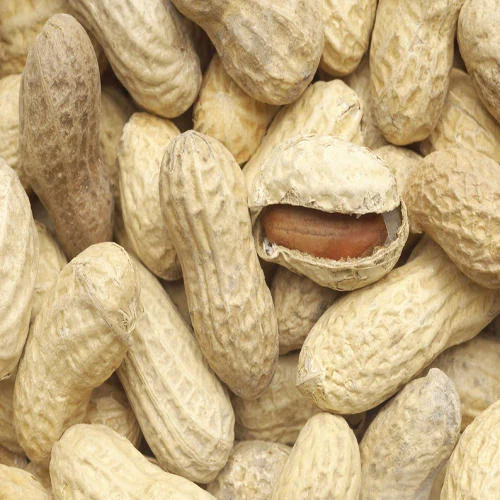
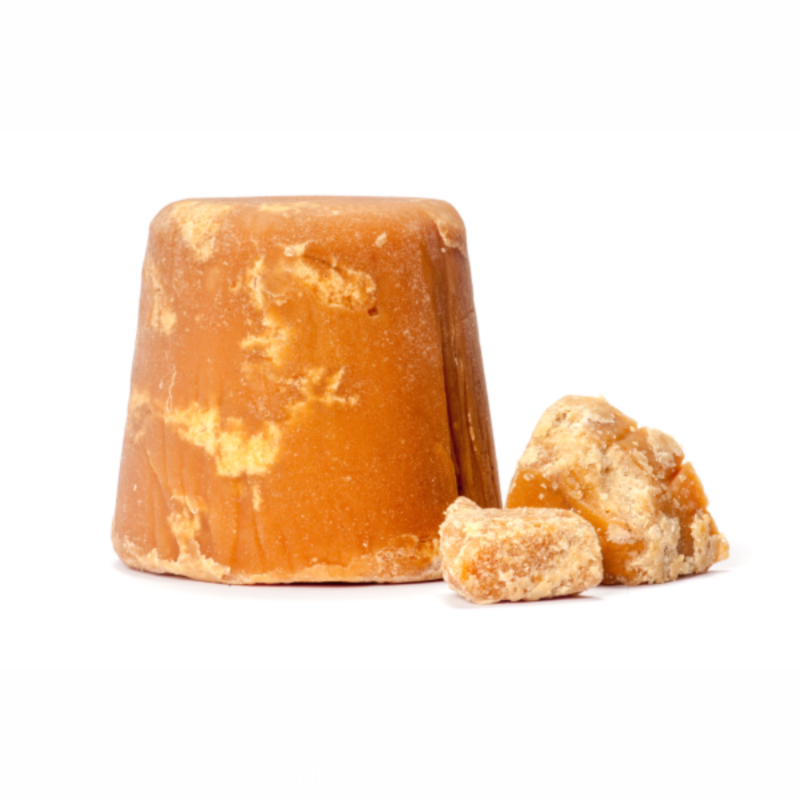
Kolhapur is famous for chappals, jaggery, and spicy curries. Peanuts are more popular in Gujarat but are available throughout India.
The main aim of PO is to ensure better income for producers. Small producers often lack volume individually to benefit from economies of scale, and intermediaries can reduce producer earnings.
A Producer Organisation (PO) is a legal entity formed by primary producers. It can be a producer company, cooperative society, or other legal form sharing profits among members. Farmers Producer Organisation (FPO) is a type of PO where members are farmers. SFAC supports FPO promotion.
POs are formed for farm or non-farm activities, are registered legal entities, have producers as shareholders, conduct business related to primary products, and benefit members.